
Introduction
Whether you are a professional athlete, recreational runner, gym enthusiast or simply enjoy staying active, a spinal injury can bring your routine to an abrupt stop. Back and neck injuries are common in sport and can range from muscle strains to disc injuries, stress fractures and nerve compression.
The good news is that spinal sports injuries do not always require surgery. With an accurate diagnosis and appropriate treatment, many athletes can return to the activities they enjoy.
At London Spine Health, we provide specialist assessment and treatment for spinal conditions affecting active people, with treatment plans designed around your symptoms, sporting goals and long-term spinal health.
What Are Spinal Sports Injuries?
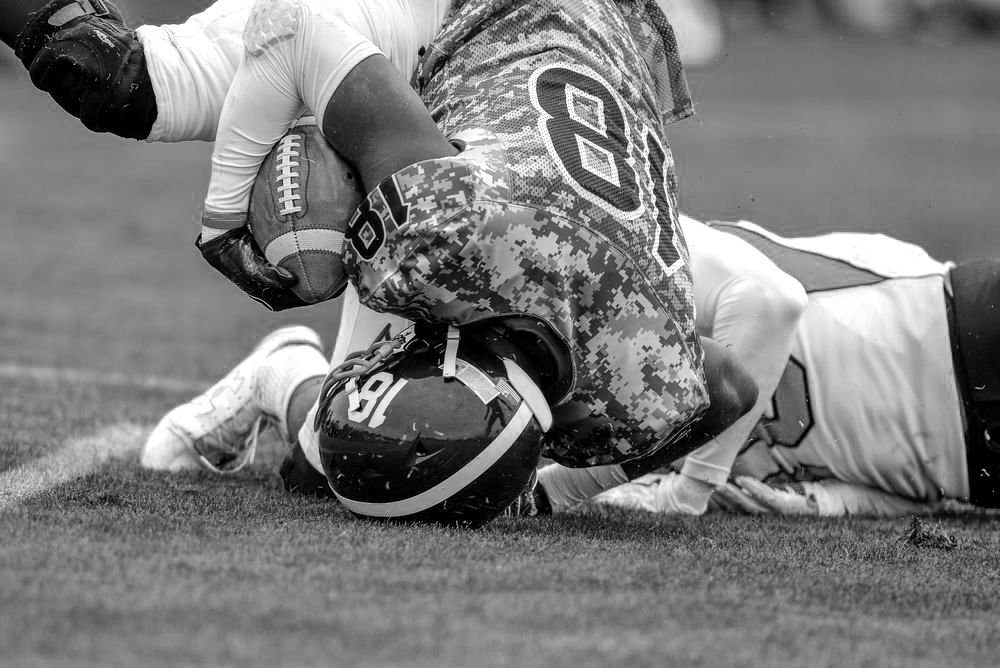
Spinal sports injuries occur when the structures supporting the spine are placed under excessive stress or subjected to sudden trauma.
Injuries can develop from:
- Contact or collision
- Falls
- Repetitive movements
- Sudden twisting
- Heavy lifting
- Poor technique
- Overtraining
- Inadequate recovery
- Repetitive spinal extension
Sports such as football, rugby, cricket, tennis, gymnastics, weightlifting, athletics and cycling can all place different demands on the spine.
Common Spinal Injuries in Athletes
Different sports can produce different types of spinal injuries.
Muscle and Ligament Strains
Sudden movements, excessive training or poor technique can strain the muscles and ligaments supporting the spine. This may cause localised pain, stiffness and restricted movement.
Most uncomplicated strains can improve with appropriate rest, gradual rehabilitation and physiotherapy.
Herniated or Bulging Discs
A disc can bulge or herniate when its outer layer becomes damaged and the inner material pushes outwards. If the disc irritates a nearby nerve, athletes may experience sciatica, pain, tingling or numbness travelling into the leg.
In the neck, disc problems can cause pain or neurological symptoms extending into the shoulder, arm or hand.
Stress Fractures and Spondylolysis
Repeated extension and rotation of the lower back can place considerable stress on the vertebrae. In some young athletes, particularly those participating in sports involving repeated back extension, this can contribute to spondylolysis, a stress injury affecting part of a vertebra.
Early diagnosis can help prevent the problem from progressing.
Spinal Fractures
High-impact collisions or falls can cause fractures of the vertebrae. These injuries require prompt assessment, particularly when significant trauma has occurred.
Spinal Nerve Compression
Swelling, disc injuries or structural changes can compress spinal nerves, resulting in pain, weakness, numbness or tingling.
Neurological symptoms should never be ignored in an athlete, particularly if they are worsening.
What Are the Warning Signs?
A sports injury does not necessarily mean that you need specialist spinal treatment. However, certain symptoms warrant further assessment.
Seek medical advice if you experience:
- Persistent back or neck pain
- Pain that continues despite rest
- Pain travelling into an arm or leg
- Numbness or tingling
- Muscle weakness
- Difficulty walking or running
- Loss of coordination
- Persistent pain at night
- Pain following significant trauma
- Repeated spinal injuries
If you develop significant weakness, loss of bladder or bowel control or numbness around the groin area following a spinal injury, seek urgent medical attention.
How Are Sports-Related Spine Injuries Diagnosed?
An accurate diagnosis is essential for athletes because returning to sport too quickly can potentially worsen an injury.
A spine specialist may assess:
- Your symptoms and injury mechanism
- Spinal movement
- Muscle strength
- Reflexes
- Sensation
- Walking and movement patterns
- Sporting activity and training load
Depending on your symptoms, imaging may include X-rays, MRI or CT scans.
MRI can be particularly useful for assessing discs, nerves, ligaments and other soft tissues, while CT provides detailed information about the bones.
Non-Surgical Treatment for Spinal Sports Injuries
Many spinal sports injuries can initially be treated without surgery.
Treatment may include:
- Activity modification
- Physiotherapy
- Targeted strengthening exercises
- Mobility and flexibility programmes
- Appropriate pain relief
- Image-guided injections in selected patients
- Gradual return-to-sport programmes
The aim is not simply to eliminate pain. A successful rehabilitation programme should also restore strength, movement, confidence and sporting function.
When Is Spine Surgery Necessary?
Surgery is not usually the first option for a sports-related spinal injury. However, it may be considered when a structural problem is causing significant or persistent symptoms.
Surgery may be appropriate when:
- Conservative treatment has failed
- A disc is causing persistent nerve compression
- There is significant spinal instability
- A fracture requires surgical stabilisation
- Neurological symptoms are progressing
- The injury is preventing a safe return to sport
Depending on the condition, surgical options can include microdiscectomy, decompression, spinal stabilisation, spinal fusion, endoscopic spine surgery or robotic-assisted spine surgery.
Minimally Invasive Spine Surgery for Athletes
For appropriately selected athletes, minimally invasive techniques can provide an alternative to traditional open surgery.
These procedures use smaller approaches to access the affected spinal structures while aiming to minimise disruption to surrounding tissues.
The potential advantages may include reduced tissue trauma, smaller incisions and a potentially quicker rehabilitation pathway.
However, the surgical technique should always be selected according to the specific injury rather than simply choosing the newest technology.
Returning to Sport After a Spinal Injury
Returning to sport should be a gradual and structured process.
Your rehabilitation may progress through several stages:
Pain control: Symptoms are brought under control before increasing physical demands.
Mobility: Normal spinal and joint movement is gradually restored.
Strength: Core, back and supporting muscle groups are strengthened.
Sport-specific training: Exercises become increasingly similar to your normal sporting activities.
Return to competition: Once you have regained adequate strength, movement and confidence, your specialist can advise you on returning to full activity.
The timeline varies considerably depending on the injury and treatment. Returning too quickly can increase the risk of further injury.
Protect Your Spine While Staying Active
You don’t need to stop exercising to protect your spine. Instead, focus on good training habits.
Consider:
- Warming up before intense activity
- Increasing training loads gradually
- Maintaining good lifting technique
- Strengthening your core and supporting muscles
- Allowing adequate recovery between sessions
- Addressing persistent pain early
- Using appropriate equipment
- Working with a qualified physiotherapist or sports professional when needed
Expert Spinal Care for Active Patients in London
For athletes and active individuals, successful treatment means more than simply reducing pain. It means helping you regain strength, confidence, movement and the ability to return to the activities you love.
At London Spine Health, patients can receive specialist assessment and personalised treatment for sports-related spinal conditions, from conservative rehabilitation through to advanced minimally invasive and robotic spinal procedures where appropriate.
Book a Spine Injury Consultation
If back or neck pain is stopping you from training, competing or enjoying your favourite sport, don’t simply push through it.
An accurate diagnosis can help you understand what is causing your symptoms and what steps you can take towards recovery.
Book a consultation with London Spine Health to discuss your spinal sports injury and develop an appropriate treatment plan.